
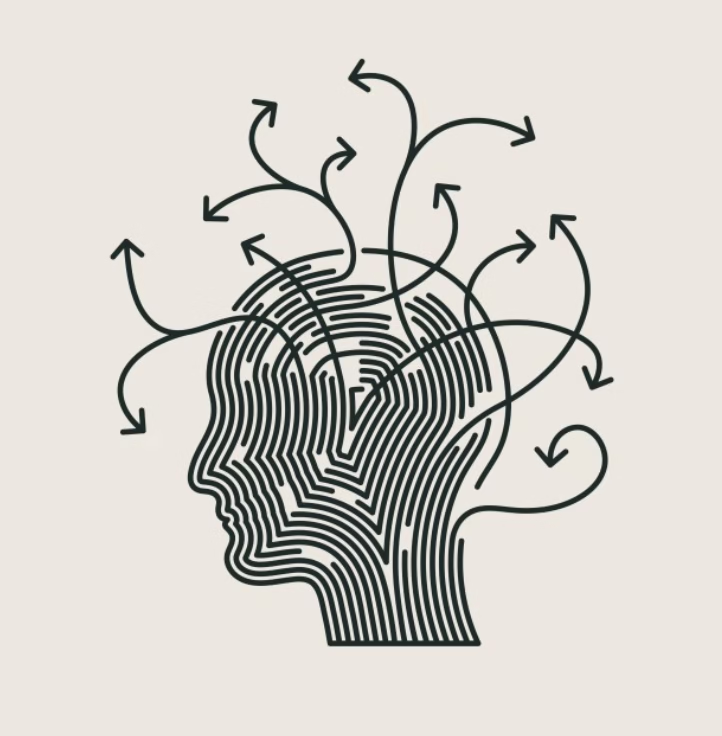
Obsessive-compulsive disorder (OCD) is a mental health condition that is often misunderstood. While many people casually describe themselves as “a little OCD” when referring to being organized, particular, or detail-oriented, the reality of OCD is much more complex. OCD can significantly affect a person’s thoughts, emotions, daily routines, relationships, and overall quality of life.
At Carolina Complete Psychiatry, we believe understanding mental health is an important step toward reducing stigma and helping individuals feel comfortable seeking support.
What Is Obsessive-Compulsive Disorder?
Obsessive-compulsive disorder is a mental health condition characterized by two primary symptoms: obsessions and compulsions.
Obsessions are unwanted, intrusive thoughts, images, or urges that cause significant anxiety or distress. These thoughts are often repetitive and difficult to control, even when someone recognizes that they may not be realistic or reflect their personal values.
Compulsions are repetitive behaviors or mental acts that a person feels driven to perform in response to an obsession or according to rigid rules. These behaviors are often intended to reduce anxiety, prevent something feared from happening, or create a temporary sense of relief.
Although compulsions may provide short-term relief, the cycle can become increasingly difficult to break over time.
Common Symptoms of OCD
OCD can present differently from person to person. Some individuals experience visible compulsions, while others struggle primarily with intrusive thoughts and mental rituals.
Common symptoms may include:
- Contamination fears: Persistent worries about germs, illness, dirt, or contamination that lead to excessive washing or cleaning.
- Checking behaviors: Repeatedly checking locks, appliances, messages, or other things to feel certain that everything is safe or correct.
- Symmetry and ordering: Feeling intense discomfort when objects are uneven, misaligned, or not arranged in a particular way.
- Intrusive thoughts: Experiencing unwanted thoughts involving harm, relationships, morality, sexuality, or other distressing subjects.
- Mental compulsions: Repeating phrases, mentally reviewing events, counting, praying, or seeking reassurance to reduce anxiety.
- Fear of making mistakes: Feeling an overwhelming need to achieve certainty or complete tasks perfectly.
Not everyone with OCD experiences the same symptoms, and some symptoms may be difficult for others to recognize.
What Does OCD Feel Like?
Living with OCD can be emotionally exhausting. Individuals may recognize that their thoughts are unwanted or that their behaviors seem excessive, yet still feel unable to stop them.
For example, someone may understand that their front door is locked but continue checking it repeatedly because the anxiety associated with leaving it unchecked feels overwhelming.
Another individual may experience intrusive thoughts that conflict with their values and feel distressed or ashamed simply because those thoughts occur.
OCD is not a reflection of someone’s character, intentions, or intelligence. Intrusive thoughts are not the same as desires or actions, and experiencing them does not mean someone wants them to happen.
OCD Is Not the Same as Being a Perfectionist
One of the most common misconceptions about OCD is that it simply means being neat, organized, or perfectionistic.
While some people with OCD experience symptoms related to symmetry or order, the condition is not about enjoying organization or wanting things to look a certain way.
OCD involves unwanted obsessions and compulsions that can cause significant distress, interfere with daily activities, and consume considerable time and energy.
For some individuals, symptoms may affect work, relationships, sleep, social activities, or the ability to complete everyday responsibilities.
What Causes OCD?
There is no single cause of OCD. Research suggests that several factors may contribute to its development, including:
- Genetics and family history
- Differences in brain function and neurobiology
- Environmental influences
- Stressful life experiences, which may contribute to symptom onset or worsening
OCD is not caused by a lack of willpower, poor discipline, or simply worrying too much.
How Is OCD Treated?
The good news is that OCD is treatable, and many individuals experience meaningful improvements with appropriate care.
Treatment options may include:
Exposure and Response Prevention (ERP): ERP is a specialized form of cognitive behavioral therapy considered a first-line psychotherapy for OCD. It involves gradually confronting situations or thoughts that trigger anxiety while learning to resist compulsive behaviors. Over time, individuals can develop greater tolerance for uncertainty and reduce the cycle of obsessions and compulsions.
Medication Management: Certain medications, particularly selective serotonin reuptake inhibitors (SSRIs), may help reduce OCD symptoms. Medication decisions should be individualized based on symptoms, treatment history, preferences, and overall health.
Psychiatric Evaluation: A comprehensive psychiatric evaluation can help determine whether symptoms are consistent with OCD, identify other contributing conditions, and develop an appropriate treatment plan.
For many individuals, a combination of therapy and medication may provide the most effective approach.
When Should You Seek Help?
If intrusive thoughts, repetitive behaviors, or persistent anxiety are interfering with your daily life, it may be time to speak with a mental health professional.
You do not need to wait until symptoms become severe to seek support. Early evaluation and treatment can help individuals better understand their experiences and develop effective strategies for managing symptoms.
OCD is a real and often misunderstood mental health condition, but it does not have to define your life.
Find Support at Carolina Complete Psychiatry
At Carolina Complete Psychiatry, we are committed to helping individuals better understand their mental health and access compassionate, personalized psychiatric care.
If you or someone you love is experiencing symptoms of OCD, professional support can be an important step toward feeling better and improving quality of life.
Understanding your symptoms is the first step toward finding the right support.
Contact Carolina Complete Psychiatry to learn more about our psychiatric services and how we can support your mental health journey.
If you are experiencing symptoms of OCD, a qualified mental health professional can help determine the most appropriate treatment options for your needs.